Things to Know Before Going to Tarragona, Spain
Tarragona is one of those places where history doesn’t feel locked away behind museum doors. Walk through an ordinary street and you might suddenly find yourself beside a Roman wall, an ancient amphitheatre, or the remains of the old Roman circus, with the Mediterranean shining just beyond it. Once known as Tarraco, Tarragona was one of the most important Roman cities in the Iberian Peninsula, and much of that past is still part of the city today.
But Tarragona isn’t only about Roman ruins. It’s also a relaxed Mediterranean city with beaches, a working marina, a historic old town, local restaurants, and a slower pace than some of Catalonia’s bigger tourist destinations. You can spend the morning exploring Roman history, walk down toward the sea for lunch, swim in the afternoon, and finish the day with a long Catalan dinner in the Old Town.
That mix is what makes Tarragona worth visiting. You don’t have to choose between a city break and a beach holiday here. The two come together naturally.
Before you go, though, it helps to know a few basics. The best time to visit Tarragona, how long to stay, where to stay, how to get around, which Roman sites are worth seeing, what the beaches are like, what to eat, and how much a trip might cost can all make a difference to your experience.
This guide covers the practical things you should know before going to Tarragona, especially if it’s your first visit. Think of it as a simple starting point for planning your trip — what to expect, what to prioritize, and a few things that are easy to overlook when you’re only looking at the city’s main attractions.
1. Tarragona Is More Than a Beach Destination
A City Built Around Roman History
The first thing you’ll notice about Tarragona is how closely its Roman past is connected to modern life. The ancient city of Tarraco once stood here as an important Roman centre and the capital of Hispania Citerior. Today, Roman walls, the amphitheatre, circus, and other archaeological remains sit among modern streets, homes, cafés, and busy squares.
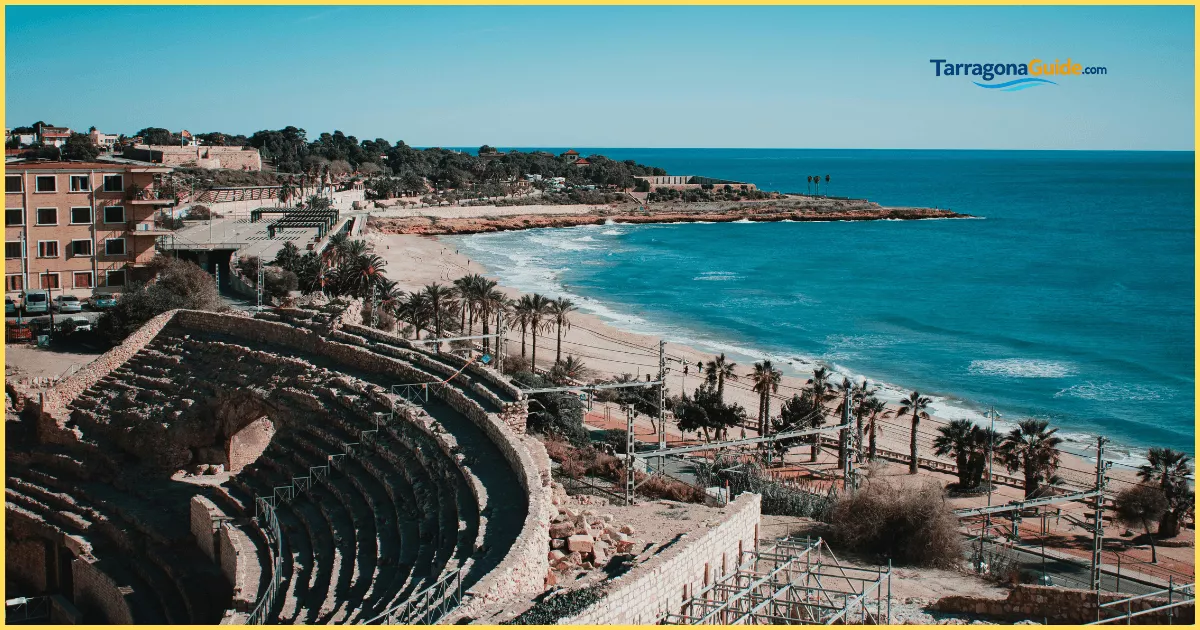
You don’t need to spend the whole day inside museums to experience Tarragona’s history. Much of it is simply there as you walk around. The Roman Amphitheatre of Tarragona, for example, sits close to the sea, while the old Roman walls form part of the historic centre.
The city’s Roman archaeological ensemble is also recognized by UNESCO as a World Heritage Site, making Tarragona one of the most interesting places in Catalonia for travelers who enjoy ancient history.
If Roman history is one of your main reasons for visiting, give yourself enough time to explore rather than trying to see everything in an hour or two. The different sites are spread around the historic centre, and walking between them is part of the experience.
The Mediterranean Is Always Close
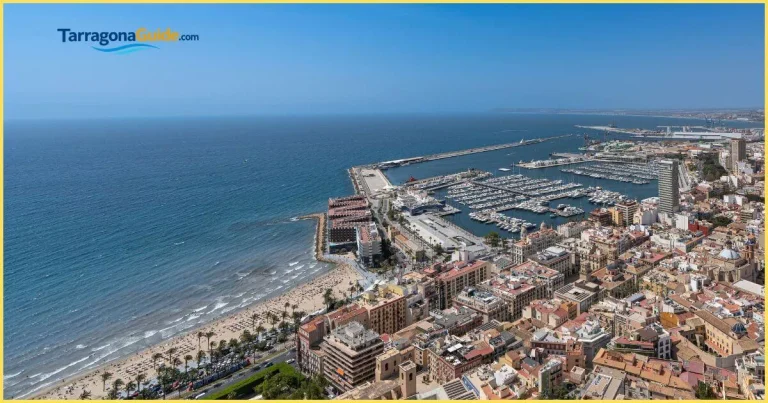
Tarragona’s location by the Mediterranean gives the city a completely different character from a purely historic destination. After exploring the old centre, you can walk downhill toward the waterfront, marina, and beaches without needing to plan a complicated journey.
This is one of the city’s biggest advantages for a short trip. You can explore Roman ruins in the morning and be beside the sea later the same day.
The beaches closest to the city are easy to reach, although they can become busy during the summer. If you want a quieter experience, consider visiting earlier in the day or exploring some of the beaches and coastal areas a little farther from the centre.
The Old Town Has a Different Atmosphere
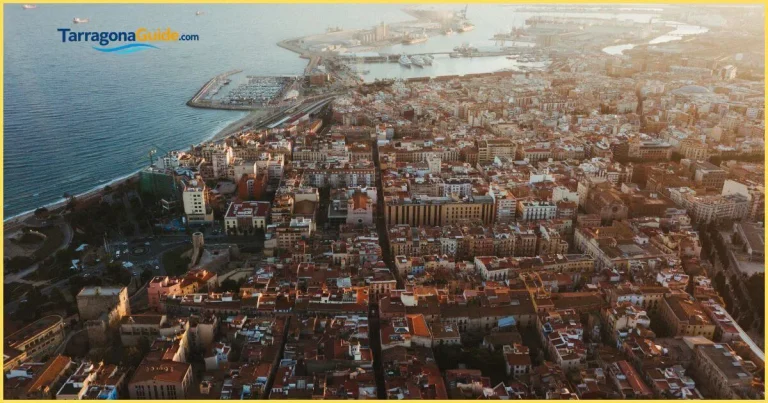
Tarragona’s Old Town, known as the Part Alta, feels different again. The streets become narrower, the buildings older, and the pace noticeably slower. Small squares open between the historic buildings, with cafés and restaurants becoming livelier toward the evening.
This is a good area to explore without a strict plan. Walk through the streets, stop for a drink, look around the Roman and medieval remains, and give yourself time to enjoy the atmosphere.
For many visitors, this part of Tarragona becomes just as memorable as the major archaeological sites. The history is still important, but you’re also seeing how people actually live in the city today.
2. Know the Best Time to Visit Tarragona
Spring
Spring is a comfortable time to visit Tarragona if you want to spend most of your days walking and sightseeing. Temperatures are generally more pleasant than during the hottest part of summer, and the city tends to feel less crowded.
It’s a particularly good season for exploring the Roman sites and Old Town because you’ll be spending plenty of time outdoors. You can also enjoy the coast without the busiest summer atmosphere.
Summer
Summer brings Tarragona’s Mediterranean side to life. The beaches are busier, outdoor cafés stay lively into the evening, and there are more events and activities around the city.
The downside is the heat and the larger number of visitors, especially during the busiest weeks. If you’re planning long walks or visiting several Roman sites, try starting early and keeping the hottest part of the afternoon for the beach, lunch, or a slower break.
July and August can be particularly warm, so don’t underestimate the importance of water, sunscreen, and comfortable shoes.
Autumn
Early autumn can be a very pleasant time to visit Tarragona. The summer crowds begin to disappear, while the weather can still be warm enough for beach time and outdoor sightseeing.
It’s also a nice period for travelers who want a more relaxed city experience. You can walk around the Old Town, visit the Roman sites, and enjoy restaurants without everything feeling quite as busy as it does in peak summer.
Winter
Winter is Tarragona at its quietest. The sea is still there, the Roman ruins remain impressive, and the Old Town has a more local feel, but beach weather is no longer the main attraction.
For travelers mainly interested in Tarragona’s Roman history, architecture, food, and local atmosphere, winter can still be worthwhile. Just pack for cooler weather and shorter days, and check attraction opening hours before you visit, as some tourist sites may operate on reduced seasonal schedules.
If your main goal is swimming and spending long afternoons on the beach, the warmer months are a better fit. If you prefer sightseeing, walking, and a quieter city, Tarragona has something to offer throughout the year.
| Season | Weather | Crowds | Best For |
|---|---|---|---|
| Spring | Mild | Low–Medium | Sightseeing |
| Summer | Hot | High | Beaches |
| Autumn | Warm | Medium–Low | Exploring |
| Winter | Cooler | Low | History & local life |
3. How to Get to Tarragona
Getting to Tarragona is fairly simple, especially if you’re coming from Barcelona or another major city in Spain. The train is usually the easiest option for visitors, while having a car makes more sense if you want to explore the wider Costa Daurada.
Getting to Tarragona from Barcelona
Barcelona to Tarragona is one of the easiest journeys to make. Trains connect the two cities regularly, with faster services taking less than an hour and regional services generally taking longer.
Buses are another option and can sometimes be cheaper, although the journey usually takes longer. Driving is also straightforward, with major roads connecting Barcelona and Tarragona.
For a short city visit, however, you don’t really need a car. Tarragona’s historic centre is compact, and once you’re there, most of the places you’ll want to see are easier to explore on foot.
Getting to Tarragona from Madrid
If you’re travelling from Madrid, high-speed trains make Tarragona surprisingly accessible. The journey takes roughly two and a half hours on some services, making the train a practical alternative to a long drive.
For travelers planning a trip through Spain, Tarragona can therefore fit quite easily into a wider itinerary that includes Madrid, Barcelona, and the Costa Daurada.
Tarragona by Car
A car can be useful if Tarragona is only one stop on a longer road trip. It gives you more freedom to visit smaller coastal towns, beaches, and places that aren’t as easy to reach by public transport.
Inside Tarragona itself, though, a car can quickly become more of a problem than a convenience. Streets around the Old Town can be narrow, parking isn’t always easy, and many of the main sights are close enough to walk between.
If you drive to Tarragona, the simplest approach is usually to find suitable parking and leave the car there while you explore the city.
Tarragona from Barcelona Airport
Flying into Barcelona Airport is a common option for international visitors. From the airport, you can continue toward Tarragona by public transport, usually involving a connection rather than a simple direct train journey.
Allow some extra time for the transfer, particularly if you’re arriving with luggage or landing during a busy period. Checking the latest train and bus schedules before leaving the airport can also save you an unnecessary wait.
4. How Many Days Do You Need in Tarragona?
How long you should stay depends on what you want from the trip. You can see the main sights in a day, but Tarragona becomes more enjoyable when you aren’t watching the clock.
Tarragona in One Day
One day in Tarragona is enough to explore the main Roman attractions, walk through the Old Town, see the cathedral area, and spend some time by the sea.
It’s a good choice if you’re staying in Barcelona and want to make Tarragona a day trip. Start early, focus on the historic centre in the morning, and leave the afternoon for the waterfront or beach.
Two Days in Tarragona
Two days gives you much more breathing room. You can explore the Roman heritage without rushing, spend some time on the beach, wander through the Old Town, and sit down for a proper Catalan meal without constantly checking the time.
This is a good length of stay if you want to experience Tarragona rather than simply see its main attractions.
Three Days or More
With three days or more, Tarragona can become a comfortable base for exploring the surrounding Costa Daurada.
You can take your time in the city and still leave room for nearby destinations, beaches, and smaller towns. This works particularly well for travelers who prefer slower trips instead of moving to a new hotel every night.
If you’re unsure how many days you need in Tarragona, one day works for the highlights, while two days gives you a much more relaxed experience.
5. Where to Stay in Tarragona
Where you stay can change the feel of your trip. Tarragona isn’t huge, but each area offers something slightly different.
Old Town : Best for History and Atmosphere
The Old Town is the natural choice if history and atmosphere are high on your list. You’ll be close to the Roman sites, cathedral, small squares, cafés, and narrow historic streets.
It’s especially pleasant in the evening, when the temperature drops and the streets begin to fill with people heading out for dinner.
City Centre : Best for Convenience
The modern city centre is a practical option for travelers who want everything within easy reach. You’ll have restaurants, shops, transport connections, and relatively easy access to both the Old Town and the train station.
It’s less historic than the Part Alta, but often more convenient for a short stay.
Near the Beach : Best for a Seaside Stay
If you want your trip to include plenty of time by the sea, staying near Platja del Miracle or the waterfront puts you close to the coast.
The trade-off is that you’ll be a little farther from some of the historic sights. For a beach-focused trip, though, that may not matter at all.
Near the Train Station : Best for Short Visits
Staying near Tarragona’s train station can make sense if you’re only spending one night or arriving and leaving by train.
You’ll save time with your luggage, although the area around the station doesn’t have the same historic atmosphere as the Old Town.
For most visitors, the best location comes down to one simple question: do you want to wake up surrounded by history, stay close to the sea, or make transport as easy as possible?
6. Tarragona Is Easy to Explore on Foot
One of the nicest things about Tarragona is that you don’t need to spend much of your trip figuring out transport. The historic centre is compact, and walking connects many of the main sights naturally.
Walking Around the Old Town
The Tarragona Old Town is best explored slowly. The streets are narrow, the buildings change as you move between different parts of the historic centre, and small squares appear when you least expect them.
You can reach many of the major attractions within a short walk, although the exact time depends on where you start and how often you stop.
Walking Between Roman Sites
The Roman amphitheatre, circus, walls, and other archaeological remains are close enough to combine into a walking route.
This is one of the best ways to experience Tarragona’s history because you’re not simply moving from one attraction to another. The ruins become part of the streets around you.
Walking Down Toward the Sea
From the historic centre, you can walk down toward the waterfront and beaches. Keep in mind that Tarragona has some slopes, so the walk back up can feel harder than the journey down, particularly after a long day of sightseeing.
Comfortable shoes are therefore more useful than stylish ones here. Uneven paving, steps, and hills are simply part of exploring an old Mediterranean city.
7. Know How Public Transport Works
You can walk to many places in central Tarragona, but public transport becomes useful when you want to reach beaches, residential areas, or destinations outside the historic centre.
Buses Around Tarragona
Local buses connect different parts of the city and can save you a longer walk when you’re heading somewhere farther from the Old Town.
They’re particularly useful when the weather is hot or when you’re carrying beach gear.
Trains for Nearby Destinations
Trains can be useful for exploring nearby destinations such as Reus, Salou, and Cambrils, depending on your exact route and the current service available.
If you’re planning several day trips, check the latest timetable before you travel rather than relying on an old schedule. Services and journey times can change.
When a Taxi Makes Sense
A taxi can be useful when you’re travelling with luggage, returning late at night, or simply want to save time after a long day of walking.
For most daytime sightseeing, though, you can usually manage without one.
Do You Really Need to Rent a Car?
For Tarragona itself, you don’t need a rental car. Walking and public transport are enough for most visitors.
A car becomes more useful when your plans extend beyond the city and include smaller villages, beaches, or Costa Daurada attractions that aren’t directly connected by convenient public transport.
8. Tarragona Has Some Beautiful Beaches
Tarragona isn’t just a destination for Roman history. Its coastline is another reason to stay a little longer.
Platja del Miracle
Platja del Miracle is the most convenient beach for visitors staying near the historic centre. It’s close to the city and sits beneath the area of the Roman amphitheatre, creating an unusual mix of ancient history and Mediterranean scenery.
It’s an easy place to add to a sightseeing day without travelling far.
Arrabassada Beach
Arrabassada Beach is farther from the centre and offers more space than the central city beach. It’s a popular option when you want a proper beach break rather than simply a quick swim between sightseeing stops.
Savinosa Beach
Savinosa Beach has a quieter feel and a more natural setting. It’s a good option for travelers who want to get away from the busiest parts of the city and spend a slower few hours beside the water.
Smaller Coastal Spots and Coves
Further along the coast, you’ll find smaller beaches and coves that feel more removed from the city.
Some require a little more effort to reach, whether by walking, bus, or car, but that extra distance can also mean fewer people and a more peaceful setting.
The simple rule is this: Platja del Miracle is convenient when you want the beach close to the historic centre, while beaches farther along the coast are worth considering if you want more space and a quieter atmosphere.
After a morning surrounded by Roman stone, there’s something rather nice about ending the day with your feet in the sand and the Mediterranean in front of you.
9. Tarragona’s Roman Heritage Is the Main Attraction
Roman Amphitheatre
Perched dramatically above the sea, this is Tarragona’s most photographed site and a genuinely striking place to stand, sea breeze included.
Roman Circus
Once used for chariot races, sections of the circus are now woven into the modern city, visible beneath and around later buildings in a way that makes the layers of history hard to miss.
Roman Walls
Part of the ancient defensive walls still stands and can be walked along, offering both a history lesson and a decent view over the surrounding area.
Archaeological Promenade
This walkway follows the base of the old walls and is one of the more peaceful ways to take in Tarragona’s Roman-era scale without competing with crowds.
Pont del Diable — The Roman Aqueduct
Located a short distance outside the city centre, this well-preserved aqueduct is worth the detour for anyone genuinely interested in Tarragona’s Roman engineering.
Given how much of the city’s identity is tied to Tarraco, it’s worth allowing real time for the historical side of Tarragona rather than treating it as a quick photo stop.
10. Tarragona’s Cathedral and Old Town Are Worth Exploring
Tarragona’s Roman history may be what brings you here, but the Old Town is where you can slow down and see another side of the city. Give yourself some time to walk without following a strict route. The best streets are sometimes the ones you find by accident.
Tarragona Cathedral
Tarragona Cathedral stands at one of the highest points of the Old Town, making it hard to miss as you walk through the Part Alta. The building brings together Romanesque and Gothic elements and has been an important part of the city’s skyline for centuries.
The cathedral is also a useful landmark when exploring the historic centre. From here, you can wander through the surrounding streets, small squares, and historic corners before continuing toward the Roman sites or heading downhill toward the sea.
Plaça de la Font
Plaça de la Font is one of the liveliest squares in Tarragona. It sits along the area of the former Roman circus and is now filled with cafés, restaurants, and outdoor tables.
It’s an easy place to stop for a coffee or something to eat after sightseeing. In the evening, the square becomes particularly social, with locals and visitors sitting outside and enjoying the cooler air.
Plaça del Rei
Plaça del Rei has a quieter character. Located close to the archaeological museum and surrounded by historic buildings, it feels more peaceful than Plaça de la Font.
It’s worth including if you’re exploring Tarragona’s Roman history, but don’t simply pass through. Take a moment to look around and notice how the ancient and medieval parts of the city overlap.
Carrer Major and the Old Town Streets
Carrer Major runs through the heart of the Old Town toward the cathedral and connects with a network of smaller streets and lanes.
This is one part of Tarragona where having no particular destination can actually be a good thing. Walk down a side street, find a small square, stop for a drink, and let the Old Town reveal itself at its own pace.
The most memorable moments in Tarragona aren’t always found at the biggest attractions. Sometimes they’re waiting in a shaded street, a quiet square, or a café where you can sit for half an hour and watch the city go by.
11. Try Local Catalan Food
Food is an important part of experiencing Tarragona. Being on the Mediterranean means seafood naturally features heavily, but the local cuisine goes well beyond fish and beachside restaurants.
Seafood and Mediterranean Dishes
Fresh seafood is common on menus around Tarragona, from simple grilled fish to more elaborate Mediterranean dishes.
If you’re staying for more than a day, try eating in different parts of the city rather than having every meal around the busiest tourist sights. You’ll have more choice and may find better value a few streets away.
Suquet de Peix
Suquet de peix is a traditional Catalan fish stew made with fish and other Mediterranean ingredients. It’s hearty without being overly complicated and is well worth trying if you find it on a local menu.
It’s the sort of dish that makes more sense when you’re sitting down slowly, rather than grabbing something between two attractions.
Calçots When in Season
If you’re visiting during the calçot season, roughly from winter into early spring, look out for these traditional Catalan grilled spring onions.
They’re usually served with romesco sauce and are traditionally eaten by hand. It can be messy, but that’s part of the fun.
Local Wines from Tarragona and the Surrounding Region
The wider Tarragona area has a long wine-making tradition, so trying a local wine with dinner is another simple way to connect your meal with the region.
If you’re not sure what to order, ask the restaurant for a local recommendation to go with your food.
Traditional Catalan Desserts and Snacks
Leave some room for dessert. Crema catalana is the obvious choice, with its creamy texture and caramelized top, but you’ll find other Catalan sweets and pastries around the city too.
One useful tip: restaurants directly beside the busiest tourist attractions aren’t always your only option. Walk a street or two away and compare menus and prices before choosing where to eat.
12. Tarragona Can Be More Affordable Than Barcelona
Tarragona can be easier on the budget than Barcelona, particularly when it comes to everyday food and sightseeing. That doesn’t mean it’s always cheap, though. Accommodation prices can rise during summer and around major events, while restaurants in the most tourist-focused areas may charge more.
Your total cost will depend mainly on where you stay, when you visit, and how many paid attractions you include.
Free Things to Do
You can experience quite a lot of Tarragona without spending much money:
- Walk through the Old Town
- Explore the city’s public squares
- Enjoy views over the Mediterranean
- Walk along the waterfront
- Spend time on the beaches
- Wander around the historic streets
Some of the city’s best experiences cost nothing at all. A walk through the Old Town or along the coast can easily become one of the highlights of your trip.
Where You May Spend More
Keep a little extra room in your budget for:
- Accommodation, particularly during summer
- Restaurants in busy tourist areas
- Entry fees for Roman and historical attractions
- Special events and seasonal activities
- Transport if you’re taking several day trips
If you’re travelling on a budget, eating away from the main tourist streets and booking accommodation ahead of time can make a noticeable difference.
13. Tarragona Is Generally Easy for First-Time Visitors
Tarragona is relatively straightforward to navigate, particularly if you’re staying around the historic centre. Most visitors can explore comfortably by walking, using public transport only when needed.
Basic Safety Tips
As with any city, use normal precautions. Keep your belongings close, especially in crowded areas, and avoid leaving valuables unattended on the beach or in busy cafés.
Watch Your Belongings in Busy Areas
During summer, popular beaches, tourist attractions, and busy streets can become crowded. Keep your bag closed and valuables somewhere secure rather than leaving your phone or wallet in an easy-to-reach pocket.
Keep an Eye on Your Phone and Wallet
A secure bag or front pocket is a better choice than an open backpack or back pocket in crowded places. You don’t need to be overly worried — just use the same common sense you would in any popular European destination.
Stay Aware Around the Train Station and Crowded Places
Transport hubs naturally bring more people together, so pay a little extra attention when arriving or leaving Tarragona by train.
The important thing is not to let basic precautions take away from the trip. Tarragona is generally an easygoing place to explore, and most visitors can enjoy it without any particular concern beyond normal travel awareness.
14. Learn a Few Words of Catalan
Tarragona is in Catalonia, where Catalan is an important part of everyday life and local culture. Spanish is also widely spoken, so you won’t have a problem communicating as a visitor.
Still, learning a few Catalan words can make everyday interactions feel a little more personal.
Here are a few useful ones:
- Hola — Hello
- Bon dia — Good morning
- Si us plau — Please
- Gràcies — Thank you
- Adéu — Goodbye
You don’t need to speak Catalan fluently. Even a simple bon dia or gràcies when entering a café or restaurant is a nice way to show respect for the local language.
15. Tarragona Has Its Own Local Rhythm
One thing you’ll notice quickly in Tarragona is that the day doesn’t always follow the schedule visitors are used to at home.
Lunch tends to be later, dinner later still, and evenings often stretch well into the night. Cafés and terraces become places to pause between meals, while the squares gradually fill as the temperature drops.
In summer, this rhythm becomes even more noticeable. The middle of the afternoon can be hot, so it makes sense to slow down during those hours and save longer walks or sightseeing for the morning and early evening.
Don’t worry about doing everything early. Let the day breathe a little. Have a long lunch, sit outside with a coffee, and take an evening walk when the streets become cooler.
Once you adjust to the local rhythm, Tarragona becomes easier to enjoy.
16. Don’t Try to See Everything Too Quickly
Tarragona is compact enough to see a lot, but that doesn’t mean you should rush through it.
A simple way to plan your day is to explore the Roman sites and Old Town in the morning, take a longer lunch break, then spend the afternoon by the beach or waterfront. As the heat fades, return to the Old Town for an evening walk and dinner.
This gives you a good balance between history, food, the sea, and everyday city life.
You don’t need to photograph every monument or visit every museum. Leave some space in the day for the places you discover along the way. Sometimes a quiet street or an unexpected view stays with you longer than another attraction on a checklist.
17. Tarragona Is a Great Base for Exploring the Costa Daurada
Tarragona also works well as a base if you want to explore more of the Costa Daurada. Several interesting places are within reach, allowing you to return to the same accommodation rather than changing hotels every night.
Salou
Salou is known for its beaches, lively atmosphere, and family attractions, including PortAventura World. It’s an easy addition to a Costa Daurada trip if you’re travelling with children or want a more traditional beach-resort experience.
Cambrils
Cambrils has a more relaxed coastal atmosphere and is particularly well known for seafood and its marina. It’s a good choice for a slower day beside the Mediterranean.
Reus
Reus offers something different, with modernist architecture, shopping, cafés, and a strong connection to the wider cultural history of the region. It’s an easy option when you want a change from beaches and Roman ruins.
Altafulla and Tamarit
For a quieter coastal experience, consider Altafulla and Tamarit. Both offer a different pace from the larger beach resorts and can suit travelers looking for smaller coastal settings.
Barcelona
Barcelona can also be reached from Tarragona, making it possible to combine the two cities during a longer trip. However, if you have enough time, it’s better to give Barcelona its own visit rather than trying to squeeze the whole city into a few hours.
18. Common Mistakes First-Time Visitors Make in Tarragona
A little planning can make a Tarragona trip much easier. Here are some mistakes worth avoiding.
Only Visiting the Roman Amphitheatre
The amphitheatre is one of Tarragona’s most recognizable sights, but it is only part of the Roman story.
Make time for the Roman circus, city walls, archaeological remains, and other parts of ancient Tarraco. Seeing several sites together gives you a much better idea of how important the city once was.
Spending the Entire Day on the Beach
Tarragona has good beaches, but spending the whole day on the sand means missing what makes the city different from other Costa Daurada destinations.
Try combining beach time with the Old Town and Roman sites instead.
Not Exploring the Old Town
It’s easy to visit the main attractions and leave without properly walking through the Part Alta. Give yourself an hour or two to wander its streets, squares, and small corners.
Arriving Without Checking Attraction Opening Times
Historic attractions can have different opening hours depending on the season, and some may close or reduce their hours on particular days.
If you’re visiting Tarragona on a tight schedule, check opening times before you leave your accommodation.
Wearing Uncomfortable Shoes
This is an easy mistake to avoid. Tarragona involves plenty of walking, and the Old Town includes cobbled streets, steps, and slopes.
Comfortable walking shoes will make a noticeable difference by the end of the day.
Planning Too Many Places in One Day
Trying to combine Tarragona with Salou, Cambrils, and several other destinations in one day may look efficient on paper, but you’ll spend more time watching the clock than enjoying the places themselves.
Give each destination enough time to feel like a visit rather than a quick stop.
Assuming Tarragona Is Just a Day-Trip Destination
Tarragona works well as a day trip from Barcelona, but that doesn’t mean it’s only a day-trip destination.
Stay overnight and you’ll have more time for the Old Town, evening atmosphere, local restaurants, beaches, and a slower look at the city.
19. What to Pack for Tarragona
What you pack depends heavily on the season, but comfortable walking shoes should be near the top of the list throughout the year.
Summer Essentials
- Sunscreen
- Hat or cap
- Reusable water bottle
- Comfortable walking shoes
- Swimwear
- Lightweight clothing
- Sunglasses
The summer sun can be strong, particularly when you’re walking between exposed archaeological sites, so keeping water and sun protection with you is important.
Spring and Autumn
- Light layers
- Comfortable walking shoes
- A light jacket for cooler evenings
- Sunglasses
- A small day bag
Temperatures can change during the day, so layers are more practical than relying on one heavy item.
Winter
- A proper jacket
- Warm layers
- Comfortable walking shoes
- An umbrella or light rain jacket if the forecast calls for rain
Winter is quieter, but you’ll still spend plenty of time outdoors if you’re exploring the Roman sites and Old Town.
20. A Simple Tarragona Travel Plan for First-Time Visitors
If you’re visiting Tarragona for the first time, don’t overcomplicate your itinerary. The city is compact enough to build your day around a few main areas.
Morning : Roman history and the Old Town
Start with Tarragona’s Roman heritage while you have plenty of energy. Visit the main archaeological sites, then walk through the Old Town toward the cathedral. Take your time rather than rushing from one ruin to another.
Lunch : Try something local
Find a restaurant in or around the Old Town and give yourself time for a proper Catalan or Mediterranean meal. This is a good moment to slow down before the afternoon.
Afternoon : Beach or waterfront
Head downhill toward the sea and spend a few hours around the waterfront or one of Tarragona’s beaches. After a morning of stone walls and ancient ruins, the change of scenery feels especially welcome.
Evening : Old Town, dinner and a final walk
Return to the historic centre as the temperature cools. Wander through the streets, stop for a drink, and finish with dinner at a local restaurant.
You don’t need a complicated schedule to enjoy Tarragona. A little history, a little sea, good food, and enough time to wander is more than enough for a first visit.
The city has been here for thousands of years. There’s no reason to experience it all in a hurry.
Afternoon : Lunch, followed by beach or waterfront time.
Evening : The cathedral area, dinner, and a sunset walk to close the day.
This simple structure captures the essence of Tarragona in a single day, and it’s the same rhythm a dedicated 24-hour Tarragona itinerary would expand on in more detail.
Tarragona Travel Tips at a Glance
Best time to visit: Spring and early autumn, when the weather is pleasant and the city is generally calmer.
Best for: Roman history, Mediterranean beaches, Catalan food, and local culture.
Ideal stay: 1–2 days is enough for most first-time visitors, depending on how much time you want for the beach and nearby attractions.
Getting around: Walking is the easiest way to explore the historic centre, with local buses useful for longer journeys.
Do you need a car? Not usually for Tarragona itself. A car is more useful if you’re planning to explore smaller towns and coastal areas nearby.
Main historical attraction: Ancient Tarraco, with Roman ruins spread throughout the historic centre.
Beach access: Easy, with several beaches within reach of the city centre.
Languages: Catalan and Spanish are widely spoken.
Nearby destinations: Salou, Cambrils, Reus, Altafulla, and other Costa Daurada towns.
Tarragona is a place where Roman history, Mediterranean life, and modern Catalan culture sit comfortably side by side. You can spend the morning walking among ancient ruins, enjoy lunch in the Old Town, and be beside the sea before the afternoon is over.
FAQs
Is Tarragona worth visiting?
Yes. Tarragona is a good choice if you want to combine Roman history, Mediterranean beaches, local food, and a relaxed city atmosphere. Its main historic sights are close together, so you can see a lot without spending your trip travelling between attractions.
How many days should I spend in Tarragona?
One day in Tarragona is enough for the main Roman sites, Old Town, and a walk by the sea. Two days gives you more time to enjoy the beaches, explore at a slower pace, and sit down for a proper meal without feeling rushed.
Is Tarragona expensive?
Tarragona can be relatively affordable compared with Barcelona, although prices depend on the season and where you stay. Accommodation close to the Old Town or beach can cost more, while eating a little away from the busiest tourist areas can help keep your budget under control.
Is Tarragona good for families?
Yes. Tarragona can work very well for a family trip. The beaches are easy to combine with sightseeing, the city centre is manageable on foot, and you don’t need to plan a packed schedule. Families can also use Tarragona as a base for exploring nearby destinations such as Salou.
Can you visit Tarragona without a car?
Yes, and most visitors won’t need one. Tarragona has train and bus connections with Barcelona and nearby towns, while many of the city’s main attractions are within walking distance. A car becomes more useful if you want to explore smaller coastal areas or places farther from the main transport routes.
Is Tarragona walkable?
Yes. Much of the historic centre is compact, and the Roman amphitheatre, circus, cathedral, old streets, and other attractions can be explored on foot. Keep in mind that some streets are steep or uneven, so comfortable shoes are a good idea.
What is Tarragona famous for?
Tarragona is best known for its Roman heritage. The ancient city of Tarraco left behind important remains, including the amphitheatre, Roman circus, city walls, and other archaeological sites. Its Mediterranean coastline and beaches are another major part of the city’s appeal.
Does Tarragona have good beaches?
Yes. Tarragona has several beaches, from the convenient Platja del Miracle near the city centre to quieter options such as Savinosa Beach. The best choice depends on whether you want easy access, more space, or a quieter setting away from the centre.
Can I visit Tarragona as a day trip from Barcelona?
Yes. Tarragona makes an easy day trip from Barcelona, particularly by train. You can spend the morning exploring the Roman sites and Old Town before heading toward the waterfront in the afternoon. If you have the time, staying overnight allows you to experience the city after the day-trippers have gone.
What is the best month to visit Tarragona?
Late spring and early autumn are good choices if you want a balance between pleasant weather and fewer visitors than the busiest summer period. Summer is better suited to travelers who mainly want beach time and warm Mediterranean weather, while winter is quieter and more focused on sightseeing and local life.
Is Tarragona safe for tourists?
Tarragona is generally a comfortable destination for visitors. As in any busy city or tourist area, keep an eye on your belongings in crowded places, especially around transport hubs and busy streets. Basic travel precautions are normally enough for most visitors.
Tarragona is the kind of city that reveals itself slowly. You might come for the Roman ruins, but then find yourself staying longer than expected for the Old Town, a meal in a small square, or a quiet walk beside the Mediterranean.
What makes the city interesting is the way its past and present exist side by side. Roman stones stand beside modern homes, cafés fill old streets, and everyday Catalan life continues around monuments that have been here for centuries.
You don’t need to plan every minute of your visit. Have a rough idea of the places you want to see, but leave some space for the unexpected. Take a different street, stop for coffee, linger over lunch, or walk down to the sea when you have finished sightseeing.
Tarragona is easy to visit, but it is even better when you don’t rush it. Come for the history, stay for the atmosphere, and give yourself enough time to see why this corner of the Costa Daurada is worth more than just a quick stop.