Where to Go in Catalonia: 10 Must-Visit Cities & Hidden Gems
Catalonia is a region built on contrasts. Roman ruins sit beside Mediterranean beaches, medieval villages hide among green hills, busy cities give way to quiet countryside, and volcanic landscapes lead toward mountains that feel worlds away from the coast.
If you’re looking for the best places to visit in Catalonia, Tarragona is a great place to start. The city brings together Roman history, beaches, Catalan food, and everyday Mediterranean life in a way that few destinations in the region manage. From there, you can branch out toward Barcelona, Girona, the Costa Brava, the mountains, and some of Catalonia’s smaller hidden gems.
This guide covers ten places worth adding to your itinerary. Some are famous and probably already on your list. Others are smaller destinations that you may not have heard much about. Together, they show just how varied Catalonia can be.
1. Tarragona:
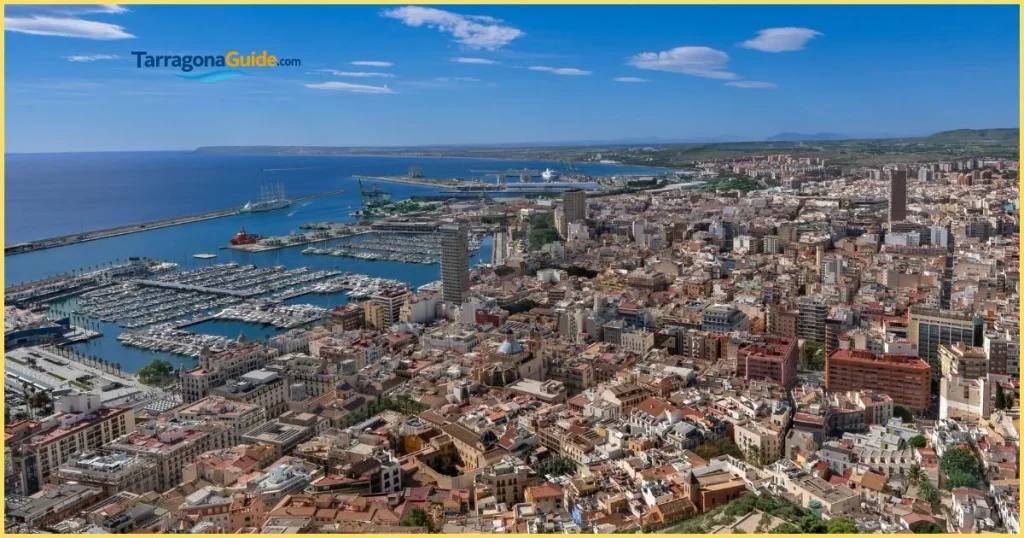
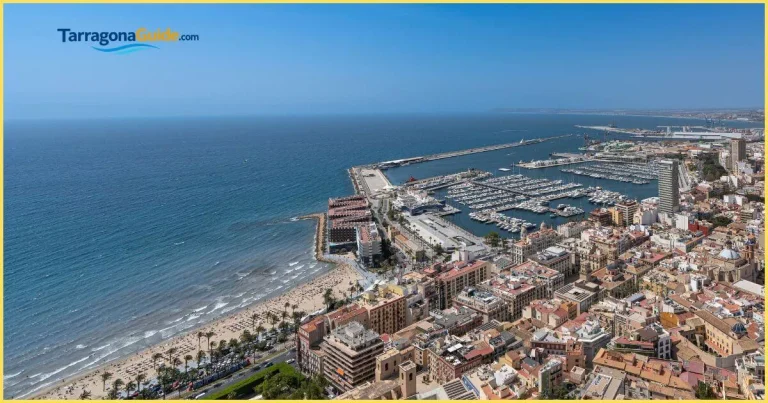
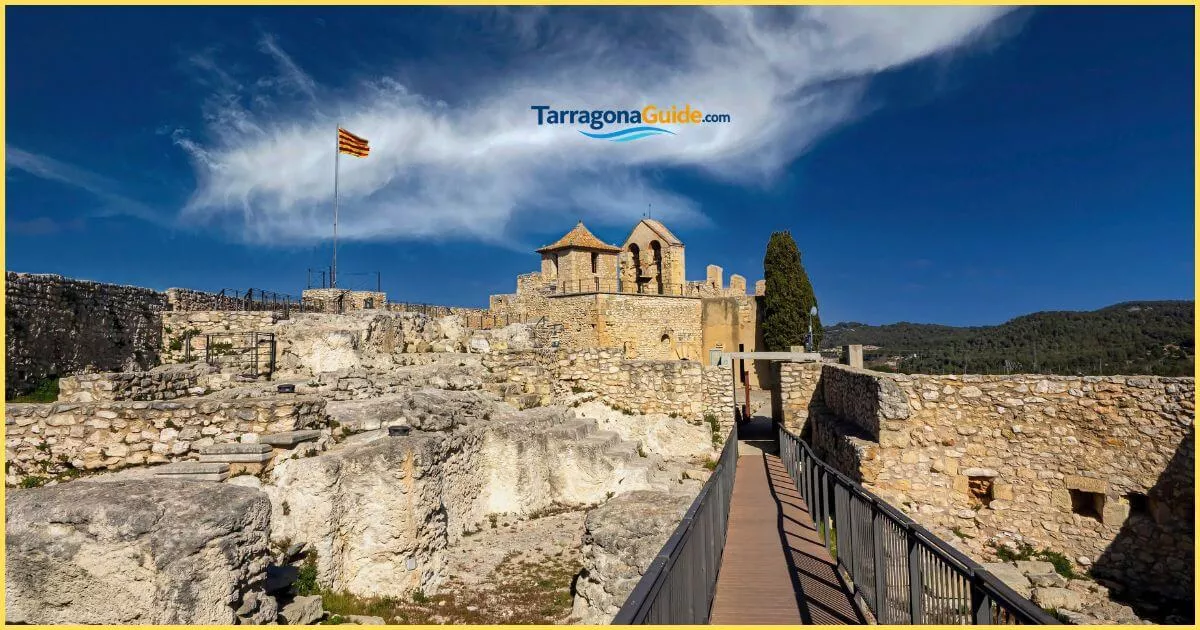
Tarragona is where this list begins. Once the capital of Roman Hispania, the city still carries its Roman past through its walls, streets, amphitheater, and archaeological remains.
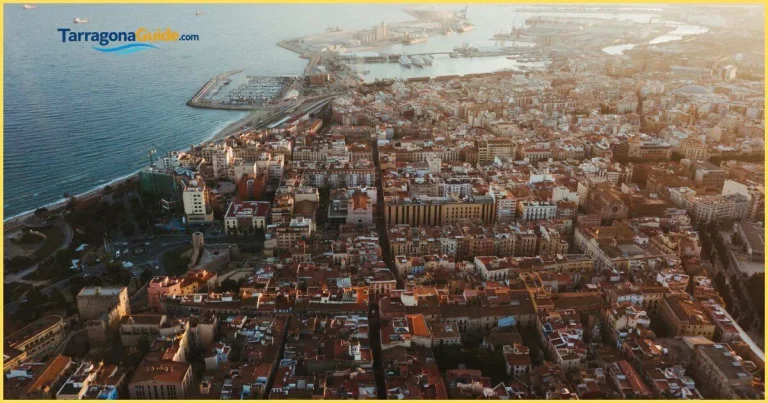
But Tarragona is not simply an open-air history museum. The old town is full of cafés and restaurants, the Mediterranean is right beside the historic center, and several beaches are within easy reach.
That combination makes Tarragona one of the most complete places to visit in Catalonia.
Explore the Roman Heritage of Tarraco
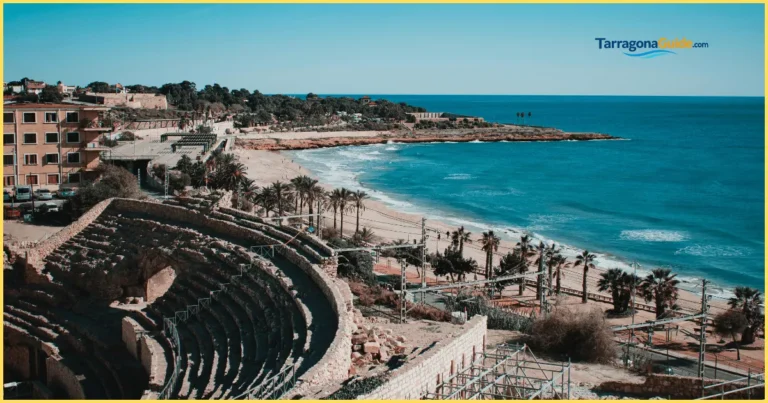
The Roman Amphitheatre is Tarragona’s most recognizable Roman monument. Built in the second century AD, it sits dramatically above the Mediterranean and once hosted large public spectacles.
Nearby, the Roman Circus reveals another side of ancient Tarraco. Parts of its underground passageways are still visible beneath the modern city, while the nearby Praetorium offers views across Tarragona.
Together with the Roman walls and other archaeological sites, these remains form part of the Archaeological Ensemble of Tarraco, recognized as a UNESCO World Heritage Site.
Walk Through Tarragona’s Old Town
Tarragona’s historic center, known as Part Alta, sits on top of the ancient Roman city. Its narrow streets are easy to explore on foot, and getting slightly lost is part of the fun.
The Tarragona Cathedral stands at the highest point of the old town and combines Romanesque and Gothic architecture. Its cloister is particularly worth seeing.
Nearby, Plaça de la Font is one of the livelier squares, with restaurants and terraces where you can stop for lunch or a drink. Carrer Major runs through the heart of the old town and connects several important sights.
What makes Part Alta enjoyable is that it still feels like a real neighborhood. People live here, meet for coffee, and go about their daily routines alongside visitors exploring the ancient streets.
Relax on Tarragona’s Beaches
You don’t have to travel far from the historic center to reach the sea.
Platja del Miracle is the easiest beach to reach from central Tarragona and sits below the Roman Amphitheatre. Arrabassada Beach is wider and works well if you want to spend a few hours by the water, while Savinosa Beach has a quieter atmosphere.
Further along the coast, Tamarit offers beautiful scenery and a historic castle, while Cala Fonda, also known locally as Waikiki Beach, has a more natural and secluded feel.
Discover El Serrallo
For a different side of Tarragona, head down to El Serrallo, the city’s traditional fishing district.
The neighborhood has a working port atmosphere and is known for its seafood restaurants. It’s a good place to slow down after visiting the Roman sites and enjoy a meal by the water.
What Makes Tarragona Different?
Few destinations combine ancient history and everyday Mediterranean life as naturally as Tarragona.
You can explore Roman ruins in the morning, have lunch in the old town, and spend the afternoon beside the sea without leaving the city.
That mix of history, beaches, food, and local life is what makes Tarragona such a useful starting point for exploring the rest of Catalonia.
2. Barcelona:
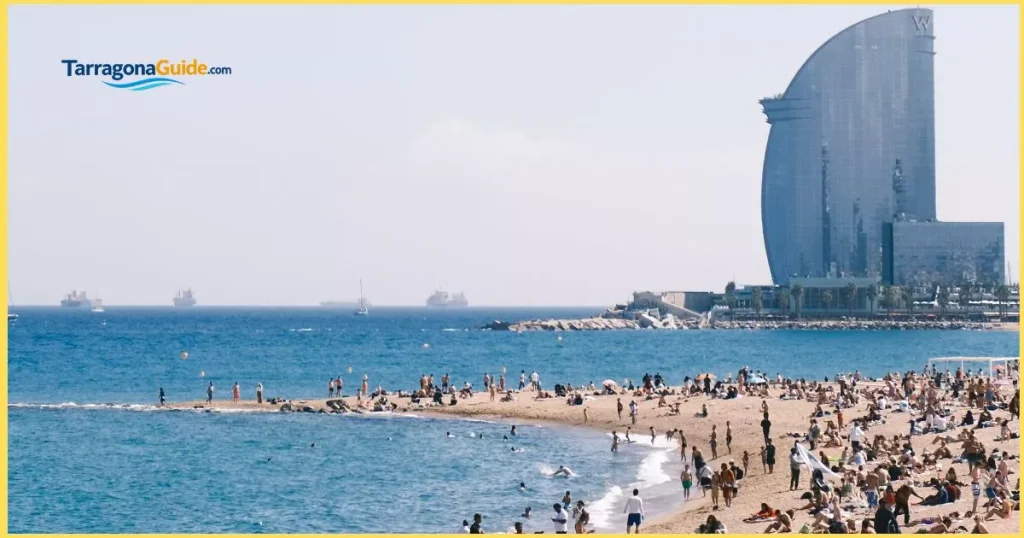
Barcelona is the most famous destination in Catalonia, and for good reason. The city combines Gaudí’s extraordinary architecture with medieval streets, Mediterranean beaches, museums, markets, restaurants, and a huge range of neighborhoods to explore.
It can be busy, but there is much more to Barcelona than its most famous landmarks.
See Gaudí’s Masterpieces
The Sagrada Família is Barcelona’s defining landmark and one of the most recognizable buildings in Spain. Construction began more than a century ago, and the unfinished basilica remains one of the city’s most remarkable sights.
At Park Güell, Gaudí’s work takes on a more playful character, with colorful designs and views across Barcelona.
You can also see his influence at Casa Batlló and La Pedrera, two striking buildings along Passeig de Gràcia.
Explore the Gothic Quarter
The Gothic Quarter is one of the best areas in Barcelona for simply walking without following a strict route.
Narrow medieval streets lead to small squares, historic buildings, cafés, and hidden corners. Barcelona Cathedral is one of the area’s main landmarks, while nearby Plaça Reial is a pleasant place to stop for a coffee.
Continue toward El Born for independent shops, restaurants, historic streets, and a slightly different atmosphere.
Enjoy Barcelona’s Beaches and Food
Barceloneta gives Barcelona an easily accessible city beach, making it possible to combine sightseeing with time beside the Mediterranean.
Food is another major reason to spend a few extra days here. From simple tapas bars and local markets to modern restaurants, Barcelona gives you plenty of opportunities to explore Catalan and Mediterranean cuisine.
How Many Days Do You Need in Barcelona?
One day can cover some of the major highlights if you’re moving quickly.
With two or three days, you’ll have more time to visit the main attractions, explore different neighborhoods, enjoy the food scene, and experience the city without turning every hour into a race.
3. Girona:
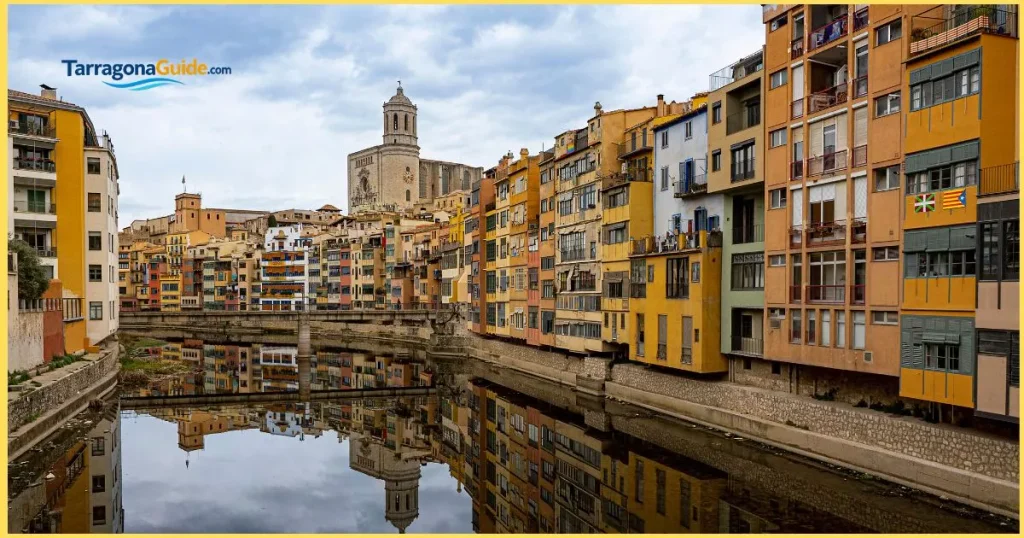
Girona offers a completely different atmosphere from Barcelona. Its historic center is compact, atmospheric, and filled with medieval architecture.
It’s also one of the easiest cities in Catalonia to explore on foot, making it an excellent day trip or a longer stop on a regional itinerary.
Walk Through Girona’s Old Town
Girona’s Barri Vell, or old town, is a maze of stone streets, historic buildings, small squares, and steep stairways.
Take your time here rather than rushing from one attraction to another. The charm is often in the details, from old doorways to quiet corners overlooking the river.
See Girona Cathedral
Girona Cathedral stands above the old town and is one of the city’s most impressive landmarks.
Inside, its enormous Gothic nave creates a dramatic sense of space. The cathedral also overlooks the historic streets below, making the climb to it worthwhile.
Explore the Jewish Quarter
The Call Jueu, Girona’s historic Jewish Quarter, is one of the most atmospheric parts of the old city.
Its narrow stone lanes and small courtyards preserve much of the area’s medieval character. Walking through the quarter gives you a better sense of Girona’s long and complicated history.
Walk the Medieval City Walls
Parts of Girona’s old defensive walls are open to visitors and provide a different perspective of the city.
The elevated walk gives you views over the rooftops, church towers, and surrounding countryside. It’s particularly enjoyable in the quieter hours of the day.
Photograph the Onyar River Houses
The colorful houses along the Onyar River have become one of Girona’s most recognizable views.
The best way to enjoy them is simply to walk along the river and cross one of the city’s bridges. The changing light throughout the day gives the colorful facades a slightly different character each time.
4. Sitges:
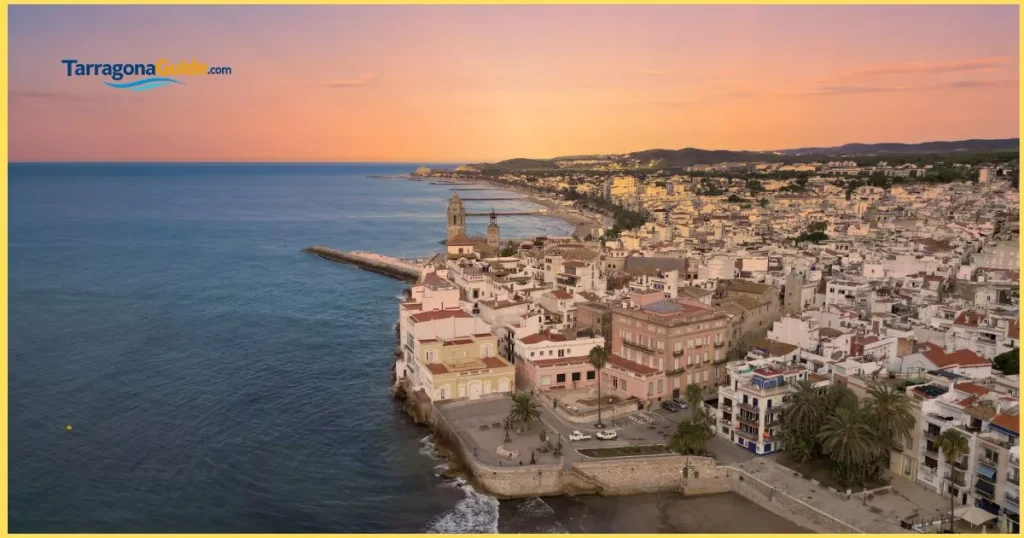
Sitges has a personality of its own. It’s close to Barcelona but feels more like a small Mediterranean town, with beaches, whitewashed streets, art, restaurants, and a relaxed atmosphere.
It’s an easy addition to a Catalonia itinerary, particularly if you want to combine city sightseeing with some time by the sea.
Walk Along the Seafront
Sitges has an attractive seafront promenade that’s ideal for a slow evening walk.
Follow the coastline, stop for a drink, or find a spot to watch the Mediterranean as the light changes toward sunset.
Discover the Old Town
The whitewashed streets of Sitges’ old town are made for wandering.
The Church of Sant Bartomeu i Santa Tecla stands above the sea and has become one of the town’s most recognizable landmarks. From here, you can continue through the old streets or head back toward the waterfront.
Visit the Beaches
Sitges has several beaches within easy walking distance of the center.
This makes it particularly convenient if you want a destination where you can combine sightseeing, lunch, and a few hours beside the sea without needing a car.
Explore Sitges’ Art and Cultural Side
Sitges has a long connection with art and culture, and that history is still visible today.
Several museums and cultural spaces offer an alternative to beach time, making the town a useful destination even when the weather isn’t perfect.
Is Sitges Worth Visiting?
Yes, particularly if you’re already spending time in Barcelona.
Its proximity makes it an easy day trip, but the beaches, old town, cultural scene, and relaxed atmosphere give Sitges enough character to stand on its own.
5. Besalú:
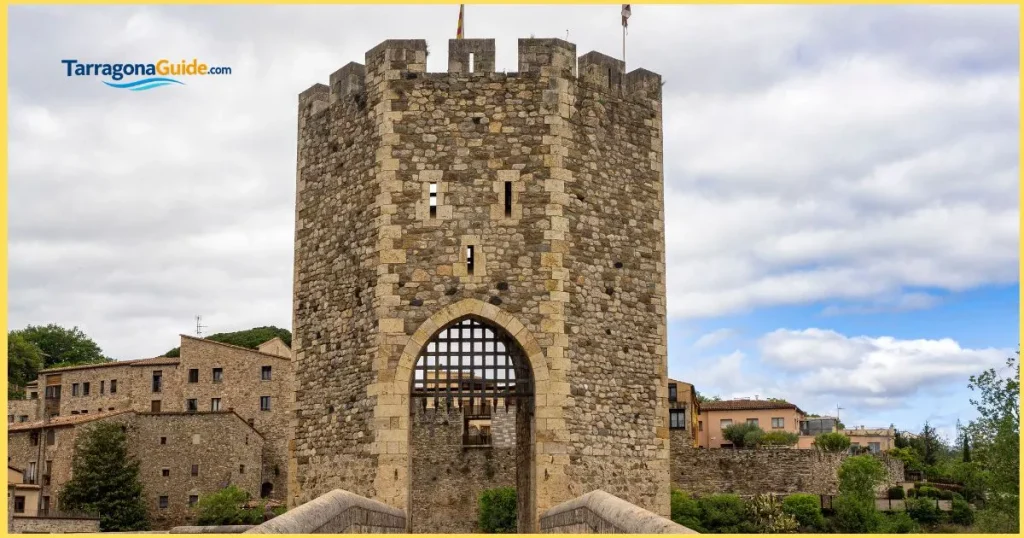
This is where the itinerary begins to move away from Catalonia’s larger cities and toward smaller historic destinations.
Besalú is compact, peaceful, and packed with medieval character.
Walk Across the Old Bridge
The medieval bridge over the Fluvià River is the first sight that catches most visitors’ attention.
Its stone arches and position beside the old town make it one of the most memorable entrances to a medieval town in Catalonia.
Explore the Medieval Old Town
Besalú is small enough to explore comfortably on foot.
Spend an hour or two wandering through its stone streets, looking at the old buildings, churches, small squares, and quiet corners that give the town its character.
Discover the Jewish Heritage
Besalú has an important Jewish heritage, including a historic mikveh, or Jewish ritual bath.
This adds another layer to the town’s medieval history and makes a visit more interesting than simply photographing the bridge and leaving.
Visit Sant Pere and Sant Vicenç
The historic churches of Sant Pere and Sant Vicenç are worth including in a walk through the old town.
Their architecture adds to the sense that you’re walking through a place shaped over many centuries rather than a destination built purely for tourism.
What Makes Besalú Special?
Besalú has the kind of setting that can feel almost unreal, especially when the streets are quiet.
Unlike some of Catalonia’s better-known medieval destinations, it can still feel relatively peaceful. That’s part of its appeal.
6. Montserrat:
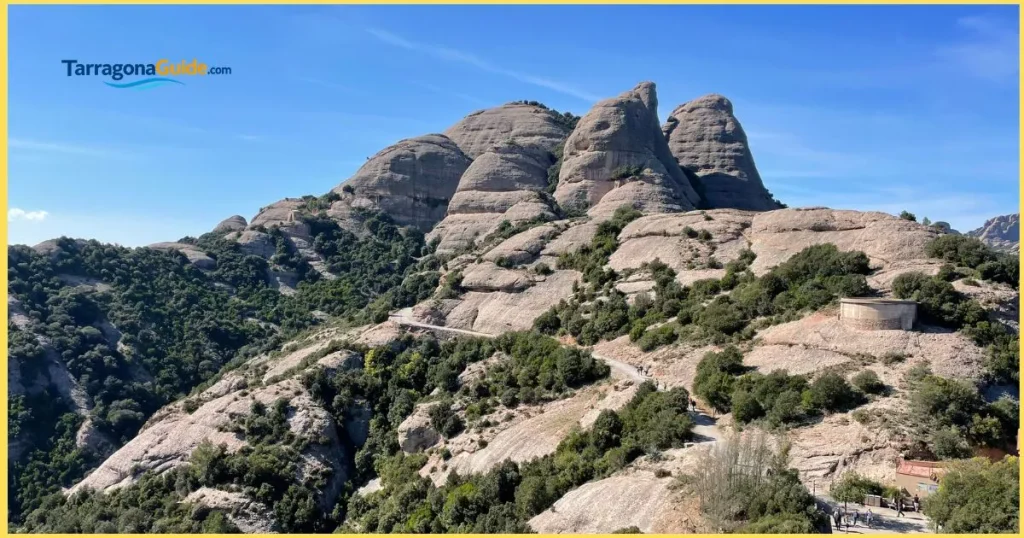
Montserrat is one of the most dramatic landscapes in Catalonia. Its unusual rocky peaks rise above the surrounding countryside, creating a completely different setting from the Mediterranean coast.
The mountain is also home to an important monastery, making Montserrat a place where nature, history, and religion come together.
Visit Montserrat Monastery
The Montserrat Monastery sits high in the mountains and has been an important pilgrimage destination for centuries.
Even if you’re not visiting for religious reasons, the setting alone makes the journey worthwhile.
See La Moreneta
Inside the monastery is La Moreneta, the Black Madonna of Montserrat.
The statue is one of Catalonia’s most important religious symbols and attracts both pilgrims and visitors throughout the year.
Take the Mountain Trails
Montserrat is not only about the monastery.
Several hiking routes lead through the surrounding mountains, offering different levels of difficulty and some impressive views across the landscape.
If you enjoy walking, give yourself enough time to explore beyond the main monastery area.
Enjoy the Views
The unusual rock formations are one of the main reasons people visit Montserrat.
From the higher viewpoints, the landscape stretches far beyond the monastery, with mountains and countryside spreading out toward the horizon.
How to Visit Montserrat from Barcelona
Montserrat works well as a day trip from Barcelona. The journey can be part of the experience, particularly if you use the rack railway or cable car to reach the mountain.
Once there, you can combine the monastery with a few walking trails and viewpoints before returning to Barcelona in the evening.
7. La Garrotxa:
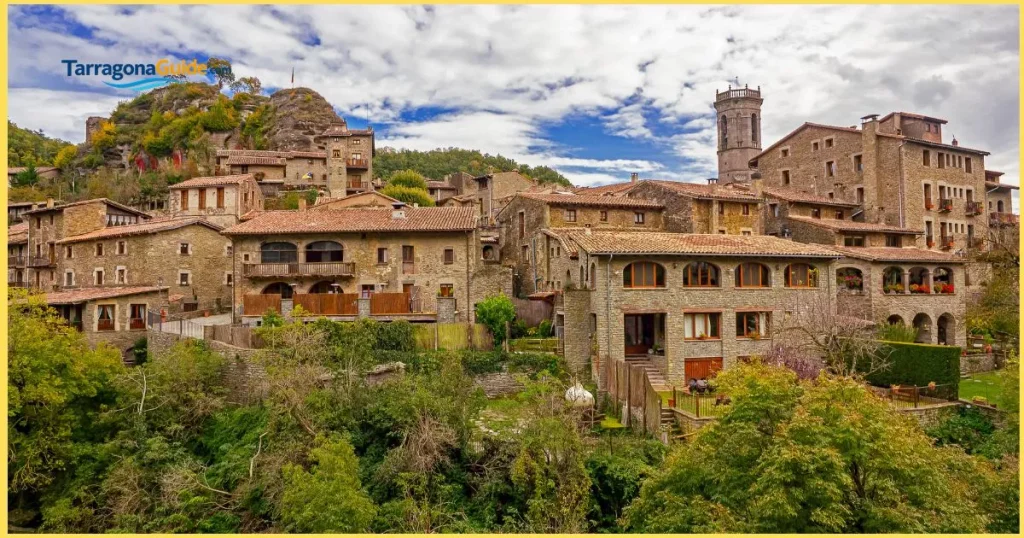
La Garrotxa brings a completely different side of Catalonia to the list. Instead of beaches, busy cities, or famous monuments, this inland region is about forests, volcanoes, small villages, and open landscapes.
Discover the Volcanic Zone
The Volcanic Zone Natural Park is home to dormant volcanic cones, old craters, and landscapes shaped by ancient eruptions. It is one of the most unusual natural areas in Catalonia and a great place to explore on foot.
Walk Through Fageda d’en Jordà
Fageda d’en Jordà is one of the most memorable places in the region. The beech forest grew over an old lava flow, creating a landscape of quiet woodland paths, mossy ground, and tall trees. It feels peaceful and slightly removed from the rest of Catalonia.
Visit Santa Pau
Santa Pau is a beautifully preserved medieval village surrounded by the green landscapes of La Garrotxa. Its narrow streets, old stone buildings, and small squares make it an enjoyable place to explore before or after heading into the countryside.
See Castellfollit de la Roca
Castellfollit de la Roca is one of the most dramatic villages in the region. Built on top of a basalt cliff, it appears to rise directly from the landscape below. The view from the surrounding area gives you one of those scenes that stays in your memory long after the trip.
Why La Garrotxa Is Worth Visiting
La Garrotxa feels a world away from the busy Mediterranean resorts. That contrast is part of its appeal. You can leave the coast behind and suddenly find yourself surrounded by forests, volcanic landscapes, stone villages, and quiet country roads.
For travelers looking for nature and a quieter side of Catalonia, it is well worth the detour.
8. Cambrils:
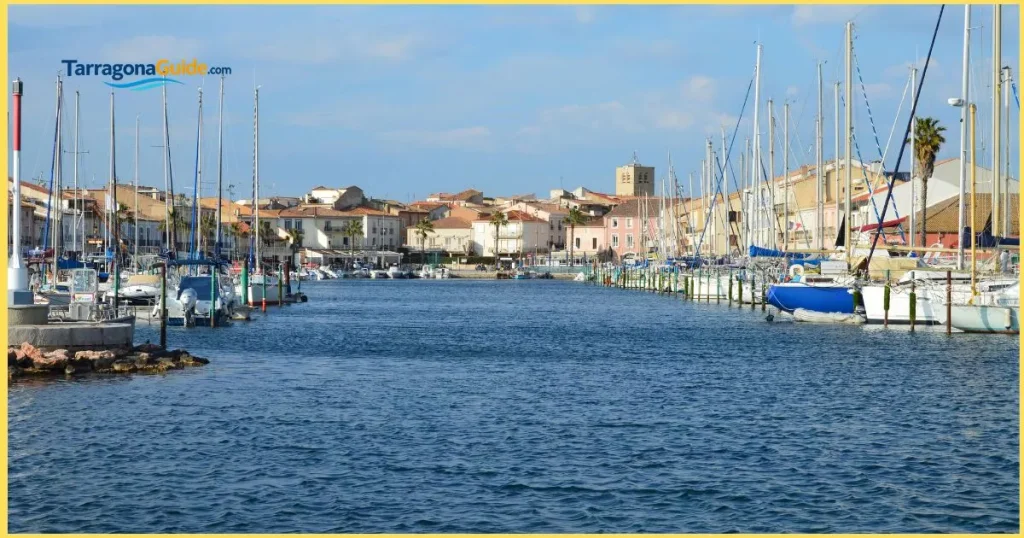
Cambrils offers a gentler version of the Costa Daurada. It has beaches, a marina, seafood restaurants, and a relaxed atmosphere that makes it easy to spend a few days without rushing from one attraction to another.
Enjoy Cambrils’ Beaches
The beaches around Cambrils are known for their calm atmosphere and generally gentle waters. They can feel more relaxed than some of the larger resort areas nearby, making them a good choice for families and travelers who prefer a slower beach day.
Walk Around the Marina
The marina is one of the nicest places to wander in the evening. Fishing remains part of Cambrils’ identity, and the working boats give the waterfront a more authentic character than a purely tourist-focused resort.
Try Fresh Seafood and Catalan Cuisine
Food is a major part of the Cambrils experience. Its fishing traditions have shaped the local restaurant scene, with seafood and Catalan cooking taking center stage.
A long lunch by the sea or a relaxed dinner after a day on the beach fits the rhythm of the town perfectly.
Explore the Coastal Paths
Cambrils is also a good place for walking and cycling along the coast. Coastal paths connect different parts of the shoreline and nearby destinations, giving you a chance to enjoy the Mediterranean without needing a packed itinerary.
Cambrils or Salou: Which Should You Visit?
Salou is generally livelier, with more nightlife, attractions, and family entertainment. Cambrils has a calmer atmosphere and puts more emphasis on beaches, food, and its fishing heritage.
The good news is that you do not really have to choose. The two towns are close enough to visit both, especially if you are staying in the Costa Daurada for several days.
9. Tossa de Mar:
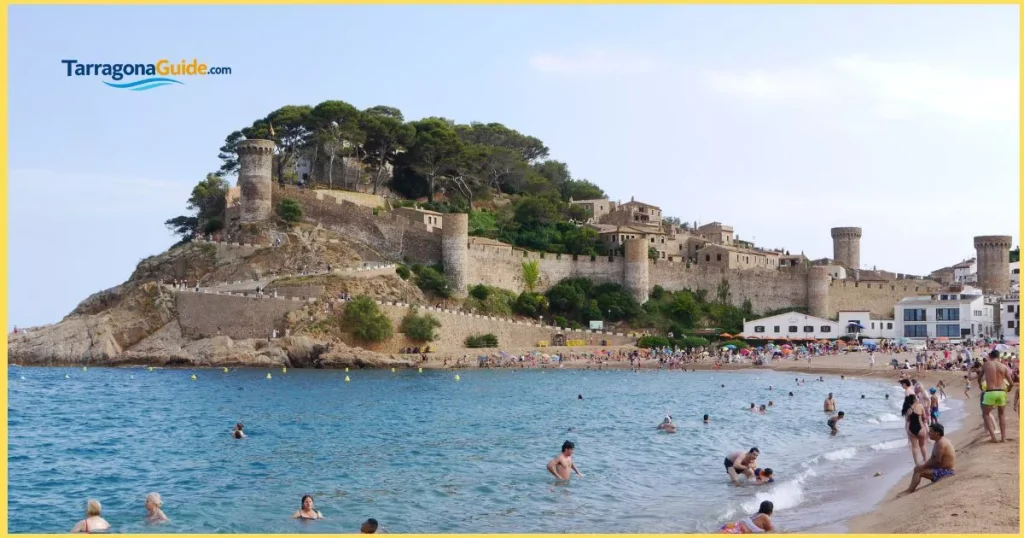
Tossa de Mar is one of those Costa Brava destinations where history and scenery come together naturally. The old town rises above the sea, while beaches and small coves stretch along the coastline below.
Explore Vila Vella
Vila Vella is Tossa’s historic walled town and its defining landmark. The medieval walls follow the headland above the Mediterranean, creating beautiful views over the sea and surrounding coast.
Walking through its old streets is one of the highlights of visiting Tossa de Mar.
Walk Along the Coastal Paths
The coastline around Tossa offers several walking routes leading toward smaller coves, viewpoints, and quieter sections of the shore.
These paths are a good way to experience the Costa Brava beyond the main beach and town centre.
Discover Tossa’s Beaches and Coves
The main beach sits directly below Vila Vella, creating one of the most recognizable coastal scenes in Catalonia. Smaller beaches and coves nearby offer a quieter setting when you want to escape the busiest areas.
Enjoy the Old Town at Sunset
Vila Vella takes on a different atmosphere as the light begins to soften. The stone walls, narrow streets, and Mediterranean views make sunset one of the best times to wander through the old town.
It is worth slowing down here rather than simply taking a few photographs and moving on.
Is Tossa de Mar Worth Visiting?
Yes. Tossa de Mar combines beaches, coastal scenery, and a remarkably atmospheric historic centre in one compact destination.
It can be busier during the main summer season, but outside the busiest hours, it is easy to understand why the town has remained one of the best-known places on the Costa Brava.
10. Horta de Sant Joan:
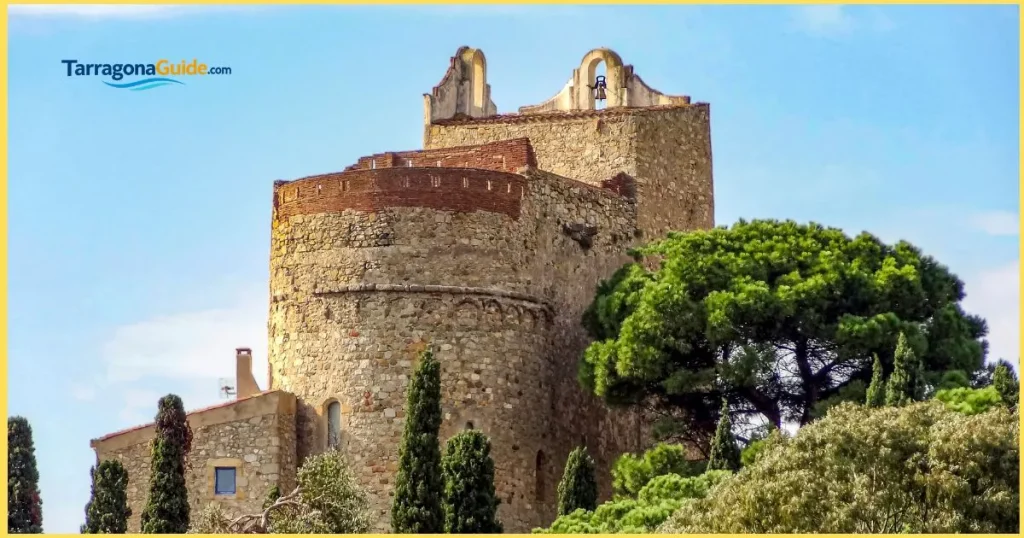
Horta de Sant Joan is a less obvious choice for a Catalonia itinerary, which is exactly why it deserves a place on a list of hidden gems.
Far from the major coastal resorts, this small village offers historic streets, mountain scenery, and a strong connection with the landscape that inspired Pablo Picasso during his time here.
Wander Through the Historic Streets
Horta de Sant Joan is a quiet village of stone buildings, narrow streets, and small squares. It does not have the scale of Barcelona or Girona, but that is part of its charm.
There is something appealing about simply walking without a strict plan and discovering the village at your own pace.
Discover the Picasso Connection
Picasso spent time in Horta de Sant Joan during his early career, and the connection remains an important part of the village’s identity.
The Picasso Centre provides more context about his time in the area and the relationship between the artist and the landscapes around Horta.
Explore the Surrounding Landscapes
The scenery around Horta is dramatic, with rocky mountains and unusual formations rising around the village. It is easy to see why the landscape left such a strong impression on Picasso.
For visitors interested in both art and nature, the combination makes Horta particularly interesting.
Visit Els Ports Natural Park
Nearby Els Ports Natural Park opens the door to another side of Catalonia, with mountain landscapes, hiking routes, forests, and spectacular viewpoints.
Because the area sits away from the region’s main tourist routes, it tends to feel much quieter than the Costa Brava or Barcelona.
Why Horta de Sant Joan Is Worth the Detour
Horta de Sant Joan offers something increasingly difficult to find in popular destinations: space and silence.
It is a place for travelers who want to slow down, walk through an old village, explore the surrounding mountains, and experience a more rural side of Catalonia.
Best Hidden Gems in Catalonia
If discovering lesser-known places is one of your main reasons for visiting Catalonia, several destinations deserve a place on your itinerary.
Besalú offers medieval streets and historic architecture. La Garrotxa brings volcanic landscapes and quiet forests. Horta de Sant Joan combines rural Catalonia with its Picasso connection, while Castellfollit de la Roca rises dramatically above a basalt cliff.
Santa Pau is another beautiful stop in La Garrotxa, and smaller Costa Brava villages can offer a quieter coastal experience away from the region’s better-known resorts.
These places show why Catalonia is worth exploring beyond the obvious highlights. The famous cities may draw the attention, but sometimes the most memorable moments come from a small village, a forest path, a mountain view, or a quiet stretch of coast.
Best Cities to Visit in Catalonia
| Destination | Best For |
|---|---|
| Tarragona | Roman history and beaches |
| Barcelona | Architecture and culture |
| Girona | Medieval history |
| Sitges | Beaches and atmosphere |
| Cambrils | Food and relaxed coast |
Best Places to Visit in Catalonia for Different Travelers
Catalonia can suit almost any kind of traveler, depending on what you want from the trip.
Families tend to enjoy Salou, Cambrils, and Barcelona, where beaches, restaurants, and easy attractions are close at hand. Couples may prefer the relaxed atmosphere of Sitges, the quieter streets of Cadaqués, or the historic corners of Tarragona’s old town.
If history is your main reason for visiting, Tarragona and Girona deserve special attention. Tarragona brings Roman ruins and Mediterranean views together, while Girona offers medieval streets, ancient walls, and a beautifully preserved old quarter.
Nature lovers have plenty to explore too. La Garrotxa is ideal for volcanic landscapes, forest walks, and small villages, while Montserrat combines dramatic mountain scenery with hiking and cultural sights.
For a classic coastal escape, Tarragona, Sitges, Cambrils, and Tossa de Mar each offer something different. And if you would rather leave the busiest tourist routes behind, Besalú, Horta de Sant Joan, and the villages of La Garrotxa are excellent places to slow down and see another side of Catalonia.
How Many Days Do You Need to Explore Catalonia?
Three days can be enough for a short introduction to Catalonia. Choose one base, such as Tarragona, and add a nearby day trip without trying to cover too much ground.
With five days, you can combine the coast with Barcelona and still leave yourself some time to explore at a relaxed pace.
Seven days gives you more freedom. You can create a simple route through Tarragona, Barcelona, and Girona without spending every day rushing from one place to another.
If you have ten days or more, Catalonia really begins to open up. This gives you time to visit places such as Besalú, La Garrotxa, and smaller Costa Brava towns where the journey itself becomes part of the experience.
The important thing is not simply how many places you can fit into your itinerary. Catalonia is more enjoyable when you leave enough time to walk, eat, stop for a coffee, and enjoy the atmosphere of each place.
Best Time to Visit Catalonia
Catalonia changes with the seasons, and each one brings a different kind of trip.
Spring brings mild temperatures, fresh green landscapes, and comfortable conditions for walking through cities, villages, and countryside. It is a good time to explore without the intensity of the summer heat.
Summer is the season for the coast. Beaches are at their liveliest, the days are long, and evenings stretch comfortably into the night. It is also the busiest period, particularly around popular coastal destinations.
September is one of the most pleasant times to visit. The sea is still warm, the days can feel like summer, and the crowds are usually smaller than in July and August.
Winter is quieter and better suited to city breaks, cultural attractions, food, and slow days in historic towns. Beach days become less important, but the region can feel more local and peaceful.
If you want to combine cities, villages, history, and outdoor sightseeing, spring and early autumn are particularly appealing. If beaches and coastal life are your main priority, summer has its own charm.
How to Travel Around Catalonia
Getting around Catalonia is relatively straightforward, especially between the larger cities.
Trains connect Barcelona with major destinations such as Tarragona and Girona, making rail travel a practical choice for many visitors. Buses are useful for reaching smaller coastal towns and places that are not directly connected by train.
A rental car becomes more useful once you move away from the main routes. If you want to explore smaller villages such as Besalú, travel through La Garrotxa, or discover quieter corners of the countryside, having your own car gives you much more freedom.
For day trips, Barcelona and Tarragona both make useful bases. Barcelona works well if you want to focus on the city and nearby destinations, while Tarragona gives you easy access to the southern coast and the wider Costa Daurada.
You do not need a car for everything. In many of Catalonia’s historic cities, walking is actually the best way to explore. The most interesting streets are often the ones where there is nowhere to rush.
Catalonia Travel Tips for First-Time Visitors
Spain uses the euro, and cards are accepted in most hotels, restaurants, shops, and attractions. Still, carrying a little cash is useful when visiting smaller villages or local businesses.
Catalan and Spanish are both widely spoken throughout Catalonia. You will manage easily with Spanish in most tourist situations, but learning a few simple words in Catalan can be a nice way to connect with the local culture.
Public transport is generally reliable around the main cities, but services become less frequent in rural areas. If you are planning to visit smaller villages, check transport times before setting out.
During the busy summer months, booking popular attractions online can save you from long queues. This is especially useful for major sights in Barcelona and other heavily visited destinations.
Comfortable walking shoes are essential. Old towns such as Tarragona, Girona, and Besalú have cobbled streets, steps, and uneven surfaces that can become tiring after several hours.
Summer heat can also be strong, particularly inland. Carry water, use sunscreen, and avoid planning every outdoor activity during the hottest part of the afternoon.
FAQs
What is the most beautiful place to visit in Catalonia?
There is no single answer because it depends on what you enjoy. Tarragona combines Roman history with Mediterranean scenery, Girona has some of the region’s most beautiful medieval streets, and La Garrotxa offers forests, volcanoes, and landscapes that feel completely different from the coast.
What are the best places to visit in Catalonia for first-time visitors?
Tarragona, Barcelona, and Girona make a strong introduction to Catalonia. Together, they offer Roman history, Mediterranean culture, modern city life, medieval architecture, food, and very different urban atmospheres.
Is Tarragona worth visiting?
Yes. Tarragona brings together Roman heritage, beaches, a historic old town, and everyday Mediterranean life. It is also a useful base for exploring other parts of the Costa Daurada.
Is Girona worth visiting?
Yes. Girona is particularly appealing for its medieval old town, cathedral, ancient walls, Jewish quarter, and the colorful houses along the Onyar River.
What are the best hidden gems in Catalonia?
Besalú, La Garrotxa, Horta de Sant Joan, and Castellfollit de la Roca are all worth considering if you want to experience places beyond Catalonia’s most famous tourist destinations.
How many days are enough for Catalonia?
A week is a good starting point for a well-paced trip covering the coast, Barcelona, and at least one medieval destination. With ten days or more, you can add smaller villages, natural areas, and hidden gems without making the itinerary feel rushed.
Can you visit Tarragona and Barcelona on the same trip?
Yes. The two cities are well connected by train, making it easy to include both in the same itinerary. You can enjoy Barcelona’s city life and then move south to Tarragona for Roman history, beaches, and a slower Mediterranean atmosphere.
What is the best time to visit Catalonia?
Spring and early autumn are generally comfortable for combining sightseeing and outdoor activities. Summer is the natural choice if beaches and coastal destinations are your main focus, while winter offers a quieter experience for cities and cultural attractions.
Roman stones in Tarragona. Medieval lanes in Girona. Mountain silence in Montserrat. Volcanic forests in La Garrotxa. Mediterranean sunsets stretching along the coast.
Catalonia is much more than Barcelona, and that variety is what makes the region so rewarding to explore.
Start in Tarragona and let the city set the mood, with ancient Roman history on one side and the Mediterranean on the other. From there, follow the coast to places such as Cambrils and Sitges, head north toward Girona and Tossa de Mar, or turn inland toward Besalú, La Garrotxa, and Horta de Sant Joan.
Each destination has its own character. Some are lively and familiar, while others are quiet enough to make you feel as though you have discovered them for yourself.
You do not need to see everything in one trip. Choose a few places, leave some space between them, and give yourself time to enjoy the small moments along the way.
That is often where the real charm of Catalonia appears: in a quiet old street, a long lunch, a mountain view, or the sound of the sea at the end of the day.